
What is an I-9 Form? Complete Guide for Workers
Everything industrial workers need to know about Form I-9: requirements, documents, deadlines, and how to complete it correctly for your new job.
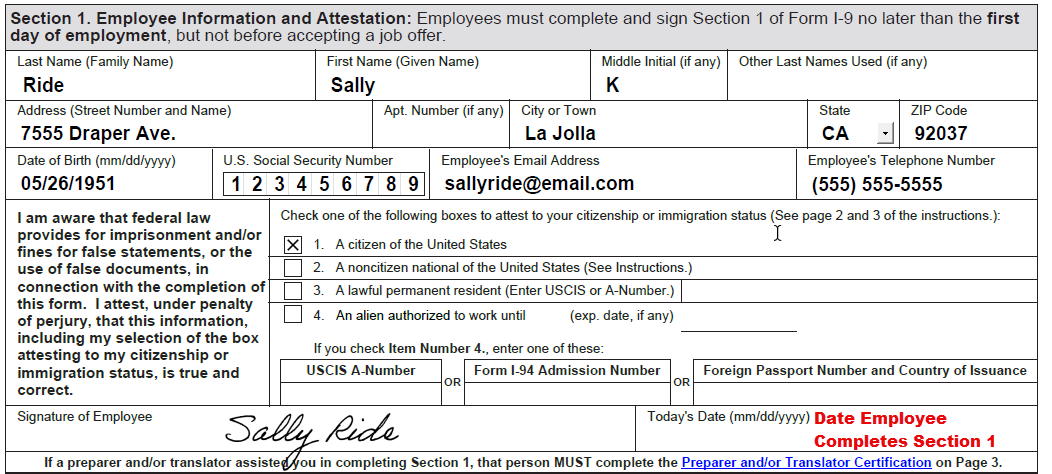
What is Form I-9?
Form I-9, officially known as the Employment Eligibility Verification form, is a mandatory document that all U.S. employers must complete for every employee they hire. This includes full-time, part-time, temporary, and seasonal workers in all industries, including construction, manufacturing, warehousing, and other skilled trades.
The I-9 form serves two critical purposes: it verifies that you are legally authorized to work in the United States, and it confirms your identity. Every worker, regardless of citizenship status, must complete this form when starting a new job.
Why is the I-9 Form Required?
The Immigration Reform and Control Act of 1986 (IRCA) made it illegal for employers to knowingly hire workers who are not authorized to work in the United States. The I-9 form was created as the standard way for employers to verify employment eligibility while protecting workers from discrimination.
For industrial and skilled trade workers, this is especially important as many positions require security clearances, government contracts, or work on federally funded projects where compliance is strictly monitored.
When Must You Complete Form I-9?
Timing is crucial when it comes to I-9 completion:
Section 1 must be completed no later than your first day of work
Section 2 (employer verification) must be completed within 3 business days of your first day
For jobs lasting less than 3 days, all sections must be completed on the first day
This timeline applies whether you're starting a permanent position, temporary assignment, or seasonal work in construction, manufacturing, or any other industry.
Required Documents for I-9 Verification
You must provide original documents (not photocopies) that establish both your identity and work authorization. You have three options:
Option 1: One List A Document
List A documents establish both identity AND work authorization:
U.S. Passport (unexpired or expired)
Permanent Resident Card (Green Card)
Employment Authorization Document (EAD) with photograph
Option 2: One List B Document PLUS One List C Document
List B documents (establish identity only):
Driver's license issued by a state
State-issued ID card
School ID with photograph
List C documents (establish work authorization only):
Social Security card (unless it says "not valid for employment")
Birth certificate issued by a U.S. state
Common Mistakes to Avoid
Industrial workers often encounter these I-9 pitfalls:
Bringing photocopies instead of original documents - Always bring originals for verification
Using expired documents - Most documents must be unexpired (exception: U.S. passport)
Not completing Section 1 before starting work - This can delay your start date
Providing documents from only List B or only List C - You need one from each if not using List A
Special Considerations for Skilled Trades
If you work in construction, manufacturing, or other industrial sectors, you may face additional I-9 related requirements:
Federal Contractors
Companies with federal contracts may use E-Verify, an online system that compares I-9 information against government databases. This means your verification might take an extra day or two.
Union Workers
Union halls typically cannot complete I-9 forms on behalf of employers. You'll need to complete a new I-9 with each employer, even if dispatched through your union.
Temporary and Staffing Agencies
If you're placed through a staffing agency like Toolbox Careers, the agency (not the client company) typically handles your I-9. You won't need a new I-9 for each assignment with the same agency.
Your Rights During the I-9 Process
Federal law protects you during I-9 verification:
Employers cannot specify which documents you must provide (your choice from the lists)
Employers cannot discriminate based on national origin or citizenship status
Employers cannot reject valid documents that appear genuine
Employers cannot require extra documents beyond what I-9 requires
Frequently Asked Questions
Do I need a new I-9 for each job?
Yes, each new employer must complete their own I-9. However, if you're rehired by the same employer within 3 years, they may be able to use your previous I-9.
What if I lost my documents?
You can use any acceptable document from the lists. If you need replacements, contact the issuing agency (DMV for driver's license, Social Security Administration for SS card, etc.). Many provide temporary documents valid for I-9.
Can I start work before completing the I-9?
You must complete Section 1 by your first day of work. You can complete it after accepting a job offer but before starting work. Section 2 (employer's part) must be done within 3 business days of starting.
Conclusion
The I-9 form is a standard part of starting any new job in the United States. By understanding the requirements and having your documents ready, you can ensure a smooth onboarding process. Remember, this form protects both you and your employer by confirming your legal right to work.
For industrial and skilled trade workers, being prepared with proper I-9 documentation means you can start earning sooner and avoid delays that could cost you valuable work days. Keep your documents current, bring originals to your first day, and know your rights during the verification process.
Looking for your next opportunity in the skilled trades? Toolbox Careers connects qualified workers with top employers who value compliance and treat workers fairly. Browse our current openings or contact us to learn more about how we support workers throughout the employment process.
About Sarah Mitchell
HR Compliance Specialist
Sarah Mitchell is a Human Resources specialist with over 15 years of experience helping industrial companies navigate employment compliance and workforce management. She specializes in I-9 compliance, employment verification, and helping skilled trades professionals understand their rights and responsibilities in the workplace. Sarah holds a PHR certification and has worked extensively with construction, manufacturing, and logistics companies.
Stay Updated with Industry Insights
Get the latest articles, tips, and industry news delivered to your inbox